Opening a clinic involves more than finding a suitable location, hiring qualified medical practitioners, and welcoming patients. You must also understand the clinic licensing requirements that apply to your facility. For healthcare entrepreneurs seeking guidance from healthcare business consultants Delhi NCR, understanding the clinical establishments act is an important step towards legal compliance and professional credibility.
The answer to one common question—“Does every clinic need registration?”—depends on where you operate, what services you provide, and which laws apply to your establishment. Nexa Health Consult helps healthcare entrepreneurs understand these regulatory requirements and plan their compliance responsibilities before opening their doors.
This guide explains the applicable rules, registration process, documentation, and common mistakes without assuming that one law applies identically across India.
What Is the Clinical Establishments Act 2010?
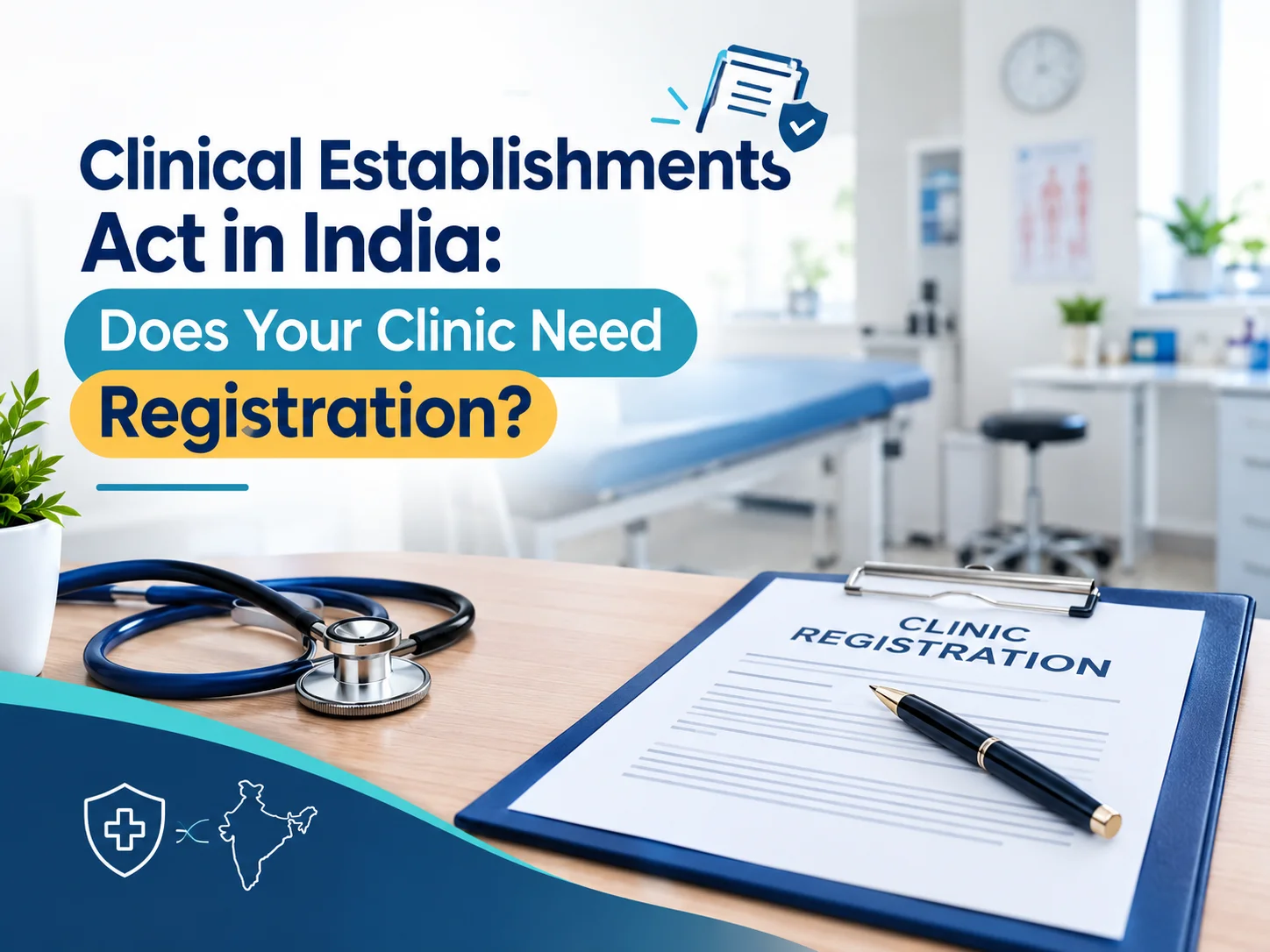
Parliament passed the Clinical Establishments (Registration and Regulation) Act, 2010 on 18 August 2010. It registers and regulates clinical establishments and sets minimum standards for their facilities and services. The Ministry of Health and Family Welfare, Government of India, notified the National Council for Clinical Establishments in March 2012 and the Central Government Rules in May 2012.
The law covers therapeutic and diagnostic establishments in the public and private sectors, across all recognised systems of medicine, including single-doctor clinics. Only establishments run by the Armed Forces sit outside it.
Does Your Clinic Need Registration Under This Law?
Yes, if your clinic is in a place where the law applies.. You should check the rules for your exact location and the services you offer before choosing which registration to go for.
The official central portal identifies states and Union Territories that have adopted the Act. Haryana, Uttar Pradesh, and several other jurisdictions have adopted it, while Delhi follows a different regulatory framework for relevant healthcare establishments.
Clinic Registration Eligibility and Mandatory Criteria
The clinical establishments act establishes a framework for registration and minimum service standards in jurisdictions where it applies. The exact criteria depend on the relevant law, state rules, establishment category, and services offered.
Before applying, check these areas:
Qualified medical practitioners: Verify the qualifications and professional registrations required for the practitioners providing services.
Minimum infrastructure standards: Confirm the premises, equipment, facilities, and staffing requirements applicable to your establishment category.
Medical records: Establish appropriate record maintenance procedures and patient documentation practices.
Patient safety: Review applicable standards for hygiene, clinical procedures, and safe service delivery.
Additional approvals: Identify other clinic licensing requirements that may apply to your activities.
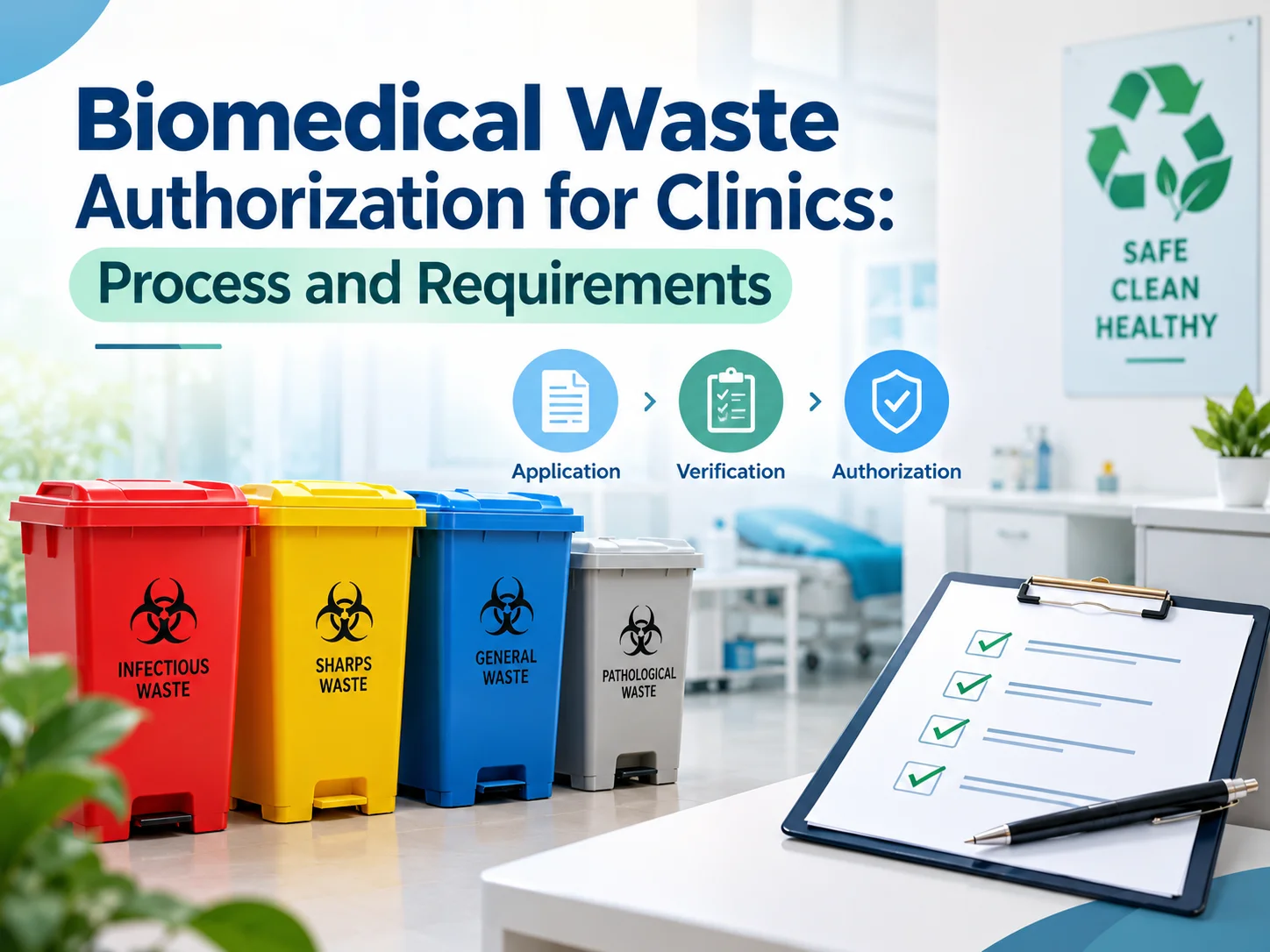
A private clinic license or registration certificate does not necessarily replace other mandatory approvals. For example, a facility that handles biomedical waste, operates a pharmacy, or provides specialised diagnostic services may face additional requirements under the laws applicable to those activities.
Application Procedure: Provisional and Permanent Registration
The process runs in two stages. Here is the path:
Confirm that your state or UT applies the law.
Identify your category and its notified standards.
File the application in the prescribed proforma with the prescribed fee.
Receive provisional registration from the District Registering Authority. The Ministry says no inspection happens before provisional registration.
Display your registration certificate and renew before the one-year validity ends.
Apply for permanent registration once you meet the standards. The Act also provides for inspection of registered establishments.
One catch: the clinical establishments act asks you to apply even if another law already registers your facility. Nexa Health Consult advises doctors to check hospital registration rules and fee schedules with the state before filing, because fees vary by state.
Penalties for Non-Compliance: The Expensive Way to Learn
Running a clinic without registration means you could be fined up to ₹50,000 for the offence up to ₹2 lakh for the second offence and up to ₹5 lakh for every offence after that. Anyone who intentionally works in a clinic can be fined up to ₹25,000. The authorities decide the fine by looking at the type, size and category of the clinic and the local conditions. The Ministry says that unpaid fines become part of arrears and the district administration can shut down the clinic. Skipping registration under the Clinical Establishments Act costs more than the paperwork itself and no one will issue a penalty order for the waiting room.
Nursing Home Registration, Diagnostic Centre Licensing and Clinics
The definition covers hospitals, nursing homes, maternity homes, dispensaries and clinics. It also includes clinical laboratories that provide pathological, chemical or diagnostic services. This applies to all forms of medicine Ayurveda, Yoga, Naturopathy, Siddha, Unani and Homoeopathy. So under the Clinical Establishments Act nursing home registration, diagnostic center licensing and outpatient clinic compliance are all managed under a regulatory framework, in states where it applies.
How Nexa Health Consult Supports Compliant Setups
Nexa Health Consult helps doctors plan clinic setup, medical clinic setup and hospital setup with statutory compliance in mind from day one. We help you read the clinical establishments act against your state’s rules and line up your documents, so healthcare facility compliance does not become a last-minute scramble. Planning a larger facility? Our hospital setup consultants Noida service covers hospital projects too. As healthcare business consultants Delhi NCR, we focus on regulatory clarity, professional credibility and patient confidence.
Plan Your Clinic Registration with Nexa Health Consult
Understanding the clinical establishments act is an important part of establishing a legally compliant healthcare facility, but the correct answer depends on your location, services, and applicable laws. Careful verification helps protect your practice, improve operational transparency, and support patient confidence.
Nexa Health Consult supports healthcare entrepreneurs with practical guidance on healthcare facility compliance, regulatory planning, and clinic setup requirements. If you need help identifying the next steps for your proposed or existing clinic, visit our Google Business Profile and contact us to discuss your requirements.
A well-planned clinic starts with good medical care and a clear understanding of the rules that govern it.
Frequently Asked Questions
Does a single-doctor clinic need registration under the Clinical Establishments Act?
Yes, where the Act applies. The Ministry says it covers all types of clinical establishments, including single-doctor clinics, in the public and private sectors.
How long does provisional registration last?
One year, and you must renew it. Permanent registration follows once you meet the notified standards.
Does NABH accreditation replace registration?
No. Registration stays compulsory even for NABH-accredited facilities in states where the Act applies.
I already hold registration under another law. Do I still apply?
Yes. The Act says an establishment registered under any existing law must still apply.